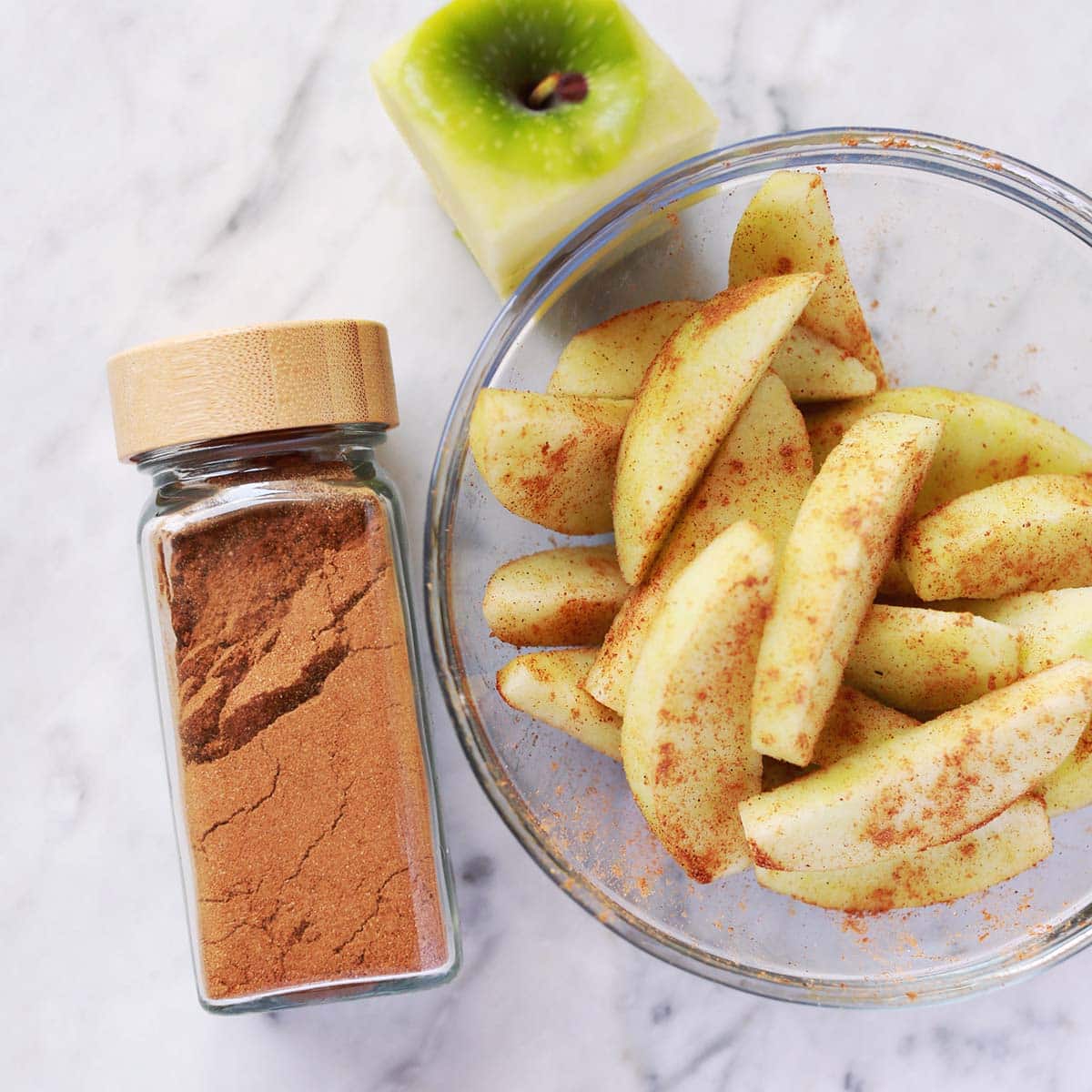
The Allure of Homemade Apple Pie Spice: Crafting Your Perfect Blend
There’s a certain magic that happens when the crisp air of autumn settles in, and the comforting aroma of baked apples fills the kitchen. From classic pies and crumbles to innovative cookies and bread, apple-based desserts hold a special place in our hearts and palates. But what truly elevates these dishes from good to unforgettable? The secret lies in a meticulously balanced spice blend – and today, we're diving deep into creating your very own, customizable apple pie spice recipe.
For many, the inspiration for such culinary delights comes from cherished family traditions. Much like Grandma Joanna's legendary apple pies owed their irresistible flavor to her secret homemade spice blend, you too can unlock a world of aromatic possibilities. While store-bought spice mixes are convenient, they often come with a hefty price tag and may not cater to specific dietary needs or flavor preferences. That's where the beauty of a DIY apple pie spice recipe shines.
Making your own blend is not only a delightful culinary adventure but also a smart, budget-friendly choice. In just a few minutes, you can whip up a batch that's often a fraction of the cost of commercial alternatives. Beyond the savings, a homemade apple pie spice recipe offers complete control over ingredients, ensuring it's naturally vegan, gluten-free, salt-free, refined sugar-free, and suitable for paleo and keto lifestyles. It’s about more than just flavor; it's about wholesome goodness. For more detailed guidance on creating your own blend, check out our article Make Your Own Apple Pie Spice: Easy, Healthy & Budget-Friendly.
Essential Ingredients: The Foundation of Your Apple Pie Spice Recipe
When you ponder "what is in apple pie spice?" you'll discover a delightful variability. While a few core spices form the backbone, the exact composition can vary significantly from one recipe to another, allowing for endless customization. Here, we explore the staples and their individual contributions to your ultimate apple pie spice recipe.
Core Spices & Their Nuances
- Cinnamon: Undoubtedly the star of any apple pie spice blend. Its warm, sweet, and woody notes are inherently linked with apples. Both Ceylon (sweeter, more delicate) and Cassia (stronger, spicier) varieties work beautifully, with Cassia being more commonly found in North American blends.
- Nutmeg: Offering a slightly sweet, pungent, and earthy warmth, nutmeg adds depth and a hint of exoticism. It pairs exquisitely with cinnamon and is a non-negotiable for many apple spice aficionados.
- Ginger: A touch of ground ginger provides a delightful peppery bite and a comforting warmth that prevents the blend from being overly sweet. It brightens the overall profile and adds a gentle zest.
- Cloves: These small, potent flower buds contribute an intense, sweet, and somewhat bitter aroma with strong notes of pungency. Used sparingly, cloves add complexity and a classic "holiday" feel to your apple pie spice recipe.
The Versatile Allspice: To Include or Not To Include?
Allspice often causes a bit of confusion due to its name. Many assume it's a blend of several spices, but it is, in fact, a single spice. It comes from the dried berries of the *Pimenta dioica* plant. Its flavor profile is remarkably complex, reminiscent of cloves, nutmeg, and cinnamon all at once – hence the name "allspice." It delivers a peppery, pungent, and aromatic punch that can truly define an apple pie spice recipe.
However, allspice isn't universally loved due to its distinct and often strong aroma. If you find its flavor too dominant or simply don't have it on hand, don't fret! You can easily make an exceptional apple pie spice without allspice. A good substitute to maintain that depth of flavor, particularly the clove-like notes, is to increase the amount of ground cloves in your blend, or even a dash more nutmeg and cinnamon to balance it out.
Customizing Your Blend: Substitutes and Unique Additions
The beauty of a homemade apple pie spice recipe lies in its flexibility. It's your canvas, and you are the artist. Don't be afraid to experiment, swap ingredients, and introduce new flavors to truly make it your own.
Creative Substitutions for Common Spices
Life happens, and sometimes you might be missing a key ingredient or simply prefer an alternative. Here are some smart substitutions:
- For Allspice: As mentioned, ground cloves are an excellent direct substitute. You can also create a blend of equal parts ground cinnamon, nutmeg, and a pinch of ground cloves to mimic its complex profile.
- For Ginger: If you're out of ground ginger or prefer a milder warmth, a tiny pinch of white pepper can add a subtle heat without overwhelming the other flavors. Alternatively, increase the cinnamon for warmth.
- For Nutmeg: While unique, if you need a substitute, ground mace (the outer covering of the nutmeg seed) offers a similar, though milder and more delicate, flavor. Failing that, a bit more cinnamon and allspice (if using) can help compensate for the loss of depth.
- For Cloves: If you don't have cloves or find their flavor too intense, simply omit them. Allspice can somewhat cover this gap, or you can lean more heavily on the cinnamon and ginger for warmth.
Beyond the Basics: Elevating Your Apple Pie Spice
Once you've mastered the foundational apple pie spice recipe, consider venturing into more adventurous territory. Many spices beautifully complement apples, allowing you to tailor your blend to specific dishes or personal preferences. Just ask yourself: What spices go well with apples?
- Cardamom: A personal favorite for many, a touch of green cardamom (ground) introduces a vibrant, citrusy, and slightly floral note that adds an exquisite layer of sophistication to apple desserts. It pairs exceptionally well with ginger and cinnamon.
- Star Anise: For a more licorice-like, intensely aromatic, and sweet flavor, consider adding a pinch of ground star anise. It's particularly fantastic in baked apples or pies where you want a truly distinctive profile.
- White Pepper: A very small amount of white pepper can provide a subtle, earthy heat that enhances the sweetness of apples without making the blend overtly "spicy."
- Mace: As mentioned earlier, mace offers a more delicate, sweeter version of nutmeg's flavor. It's a fantastic addition if you want the essence of nutmeg without its full intensity.
When incorporating new spices or making substitutions, always start with half the amount you think you might need. Taste, adjust, and continue adding small increments until you achieve the aroma and flavor you absolutely love. This iterative process is key to finding your signature apple pie spice recipe.
Mastering the Art of Blending: Tips for the Perfect Apple Pie Spice
Creating your homemade spice blend is incredibly easy, often taking just a handful of spices, a small bowl, and a few minutes of mixing. However, a few tips can elevate your blend from good to gourmet.
- Prioritize Freshness: The single most crucial factor for a truly aromatic apple pie spice recipe is the freshness of your ingredients. Spices lose their potency and aroma over time. Always ensure your individual spices are fresh and vibrant. If you're looking for a quick yet impactful blend, explore our Minute Homemade Apple Pie Spice for Sweet & Savory Dishes.
- Go Whole Whenever Possible: For the ultimate aroma and flavor, freshly ground whole spices are unparalleled. While convenient, pre-ground spices begin to lose their volatile oils and flavor much faster. If you can, invest in a small spice grinder (a dedicated coffee grinder works wonderfully) or a traditional mortar and pestle. Grinding whole cinnamon sticks, nutmeg seeds, cloves, and cardamom pods just before blending releases an incredible burst of fragrance.
- Mix Thoroughly: Once all your chosen spices are ground (or measured if using pre-ground), combine them in a small bowl. Use a spoon or a small whisk to mix them thoroughly, ensuring an even distribution of flavors throughout the blend.
- Taste and Adjust: Don't be afraid to taste your blend! A tiny pinch on your tongue, or even mixed into a small spoonful of yogurt or applesauce, can give you an idea of its balance. Adjust ratios as needed, adding more of a particular spice if you feel it's lacking.
- Store Properly: To preserve the freshness and potency of your homemade apple pie spice recipe, store it in an airtight container away from direct sunlight, heat, and moisture. A cool, dark pantry is ideal. Properly stored, your blend can retain its vibrant flavor for 3-6 months. Beyond that, it's safe to use, but its aromatic intensity will diminish.
This easy homemade apple pie spice recipe is ready in next to no time. Once prepared, this versatile blend is perfect for seasoning a wide array of sweet and savory apple recipes. Think beyond pies: sprinkle it on baked apples, apple crisp, oatmeal, pancakes, fruit salads, or even in savory dishes like pork loin with apples or butternut squash soup. The possibilities are endless!
Conclusion
Crafting your own customizable apple pie spice recipe is a rewarding journey that empowers you to control flavor, quality, and cost. By understanding the core ingredients, exploring creative substitutions, and venturing into unique additions, you can develop a signature blend that perfectly complements your favorite apple dishes. Embrace the process of blending, prioritize fresh spices, and enjoy the unparalleled aroma and taste that only a homemade spice mix can provide. So, gather your spices, ignite your culinary creativity, and prepare to elevate every apple creation to an extraordinary delight!
